
Recent News and Stories
Abrazo Arrowhead Campus Enrolls First Patients in ARID II First-of-a-Kind Study
Study evaluates new device aimed at reducing post-prostatectomy incontinence in men
GLENDALE – Abrazo Arrowhead Campus (AAC) has enrolled its first patient in the ARID II pivotal study evaluating the Voro® Urologic Scaffold, an investigational implantable device designed to help men regain urinary control following prostate removal surgery. Abrazo Arrowhead is one of only two hospitals in the Region selected to participate in the study.
Dr. Jeffrey A. Stern is leading the study along with Dr. Justin Campagna and Dr. Chandan Kundavaram, all urologists with Academic Urology & Urogynecology of Arizona.
Developed by Levee Medical®, the Voro Urologic Scaffold is implanted during prostatectomy and designed to provide mechanical support to the urinary sphincter — the muscle responsible for bladder control.
“Post-operative incontinence is one of the most difficult challenges patients face after prostate surgery,” said Dr. Stern. “This is a very important study exploring a promising solution that may help men recover urinary control more quickly and reduce reliance on pads or other protective garments, which can be life changing.”
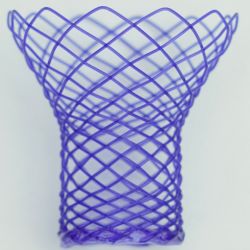
The device is made from resorbable material like surgical sutures and provides structural support for up to nine months before dissolving. The goal is to support long-term urinary function without requiring a permanent implant.
The study will enroll approximately 266 participants, confirmed to have prostate cancer then screened to meet study criteria, at up to 30 medical centers across the United States, including AAC.
Participants are randomly assigned to either receive the investigational device or undergo standard surgical care. Patients are then followed for up to two years to evaluate safety and effectiveness outcomes.
Urinary incontinence remains a common complication following prostate removal. Studies show up to two-thirds of men report ongoing leakage six months after surgery, and nearly one-third continue to experience symptoms one-year post-procedure.
“We are proud to be involved in this study, because this scaffold is intended to address a major challenge of prostate surgery, both during the initial period of healing and beyond, hopefully improving comfort and quality of life for our patients,” said Dr. Justin Campagna.